Foods That Feed Akkermansia Muciniphila — The Evidence-Based List
Akkermansia muciniphila cannot be eaten directly — no food contains it, and it is not found in fermented foods like yogurt or kefir. But its levels in your gut are not beyond your influence. Specific foods reliably increase Akkermansia abundance by providing the polyphenols and prebiotic fibres that stimulate its growth and support its preferred environment. This guide covers each food group with the evidence behind it.
The common thread running through most Akkermansia-boosting foods is polyphenol content. Polyphenols are plant compounds that are poorly absorbed in the small intestine and reach the colon largely intact, where they are metabolised by gut bacteria — including Akkermansia. Polyphenol-rich foods create a colonic environment that Akkermansia thrives in, and many polyphenol metabolites (particularly urolithins from pomegranate) directly stimulate Akkermansia growth.
1. Pomegranate — The #1 Evidence-Backed Food
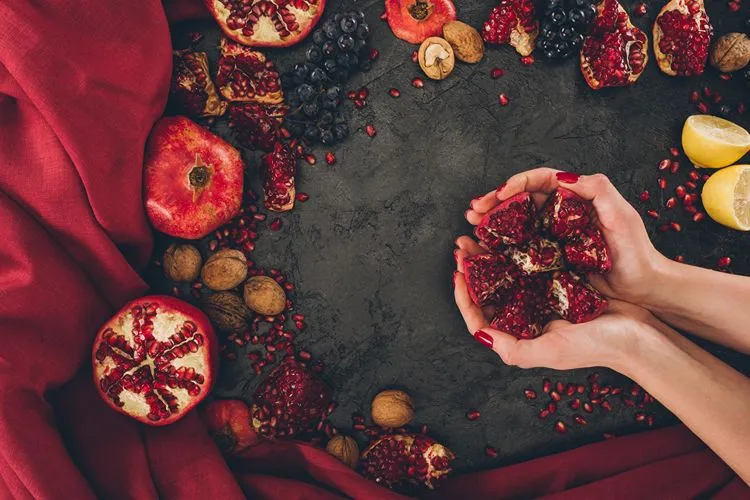
Of all the foods studied for their effect on Akkermansia muciniphila, pomegranate has the most consistent and robust evidence base. Multiple animal and human studies have shown that pomegranate polyphenols — particularly punicalagins and ellagic acid — significantly increase Akkermansia abundance.
The 2019 Henning et al. study published in Anaerobe examined the effect of pomegranate extract on gut microbiota and found significant increases in Akkermansia abundance alongside improvements in gut barrier markers. The mechanism involves the colonic conversion of pomegranate ellagitannins into urolithins — metabolites that directly stimulate Akkermansia growth and independently support gut barrier function.
| Pomegranate Form | Ellagitannin Concentration | Practical Notes |
|---|---|---|
| Peel powder | Highest of all forms — peel contains 3–5× more punicalagin than seeds or juice | Available on Amazon.ie; use ½–1 tsp daily in yogurt, smoothie or oat bowl; store sealed away from heat and moisture |
| Whole fruit (seeds/arils) | High — includes fibre which amplifies the effect | Seasonal Oct–Feb in Irish supermarkets; imported year-round; most practical whole food option |
| 100% pomegranate juice | High — concentrated polyphenols, no fibre | Available year-round; choose 100% juice with no added sugar; 100–150ml daily |
| Dried pomegranate seeds | Moderate — some polyphenol loss in drying | Available in health food shops; good as a topping; check for added sugar |
| Pomegranate extract capsule | Variable — depends on standardisation | Look for standardised punicalagin content on label; further into supplement territory |
Pomegranate peel powder sits in a grey zone. It is technically a whole food concentrate — dried and ground fruit peel with nothing added or removed. But the way most people buy and use it (measured in grams, taken as a daily dose) is functionally more like supplementation than eating. Think of it like cinnamon at one end and a capsule at the other — peel powder sits closer to cinnamon. It is the most potent pomegranate-derived option for Akkermansia, and the most practical way to get consistent high-dose ellagitannins year-round without relying on fresh fruit availability.
2. Cranberry
Cranberry contains A-type proanthocyanidins (PACs) — a specific class of polyphenols structurally distinct from those in other berries, with particularly strong documented effects on gut microbiome composition. The Déprez et al. study found cranberry polyphenols significantly altered gut microbiome composition in favour of Akkermansia through a different pathway to pomegranate ellagitannins — making cranberry a genuinely complementary addition rather than a duplication.
The critical practical issue with cranberry in Ireland: most commercially available dried cranberries are heavily sweetened — typically with pineapple juice concentrate, sunflower oil and added sugar. At that point you're eating confectionery, not a health food. The polyphenol content is diluted and the sugar load counterproductive. Read the label before buying.
| Cranberry Form | PAC Concentration | What to Look For |
|---|---|---|
| Freeze-dried cranberry powder | Highest — freeze-drying preserves PACs with minimal degradation | One ingredient: cranberries. Available on Amazon.ie; add to yogurt or oat bowl |
| Dried cranberries (unsweetened) | High — if unsweetened; significantly reduced in sweetened versions | Ingredient list should say cranberries only (or with minimal sunflower oil). Most shop-bought brands fail this test |
| Unsweetened cranberry juice | Moderate — diluted compared to dried/powder forms | Very tart; often needs diluting; not the same as cranberry juice cocktail or drink |
| Cranberry extract capsule | Standardised — look for PAC content on label | Supplement territory; useful if you won't eat cranberry in food form consistently |
3. Blueberries, Cherries and Dark-Pigmented Fruits
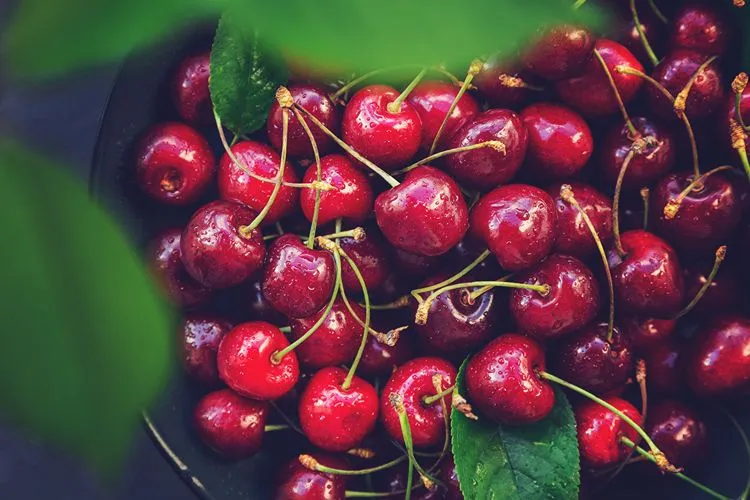
The dark pigments in blueberries, cherries, blackberries, blackcurrants and dark grapes are anthocyanins — a class of polyphenols with documented gut microbiome effects working through a different pathway to pomegranate ellagitannins and cranberry PACs. Multiple studies have found positive associations between anthocyanin intake and Akkermansia abundance.
An important practical note: wild or frozen blueberries consistently contain higher polyphenol concentrations than fresh cultivated blueberries. The large cultivated blueberries widely sold in Irish supermarkets are bred for size and sweetness, which dilutes polyphenol concentration per gram. Frozen blueberries (often wild-harvested) are a better choice for Akkermansia support — and cheaper year-round.
Irish-grown blackcurrants are among the highest anthocyanin-containing fruits available domestically — significantly higher than blueberries per gram. If you have or can grow a blackcurrant bush, July–August harvest provides an extremely potent local polyphenol source. Cherries (both sweet and tart) have their own anthocyanin profile and are in season June–August in Ireland.
| Form | Anthocyanin Concentration | Practical Notes |
|---|---|---|
| Freeze-dried blueberry / cherry powder | Highest — freeze-drying concentrates anthocyanins significantly | Available online; ½–1 tsp in yogurt or oats is equivalent to a large handful of fresh fruit; no sugar, no additives |
| Frozen wild blueberries | High — wild varieties consistently outperform cultivated | Available in most Irish supermarkets year-round; more potent and cheaper than fresh cultivated |
| Fresh cherries (tart/sour) | High — tart cherries have higher anthocyanin than sweet | In season June–August in Ireland; Morello cherries are the most polyphenol-dense variety |
| Irish blackcurrants (fresh/frozen) | Very high — among the richest anthocyanin sources available in Ireland | July–August season; freeze surplus for year-round use; very tart, best combined with other fruit |
| Fresh cultivated blueberries | Moderate — polyphenol concentration lower than wild or frozen | Widely available but the weakest option per gram; fine as part of a varied intake |
4. Green Tea and Matcha
Green tea catechins — particularly epigallocatechin gallate (EGCG) — are among the most studied plant polyphenols in relation to gut microbiome health. Multiple studies have found that green tea consumption increases Akkermansia abundance, with the effect attributed primarily to EGCG's interaction with colonic bacteria.
Matcha — made from powdered whole green tea leaf rather than steeped and discarded leaves — contains substantially higher catechin concentrations than standard brewed green tea. For Akkermansia specifically, two to three cups of freshly brewed green tea or one teaspoon of matcha daily represents a practical daily intake. Bottled green tea products contain negligible EGCG and are not an effective substitute.
5. Dark Chocolate (70%+)
Dark chocolate — chocolate with 70% or higher cocoa solids — contains substantial concentrations of cocoa polyphenols, including procyanidins and flavanols. These polyphenols are extensively fermented in the colon, and several studies have shown that cocoa polyphenol consumption increases Akkermansia abundance alongside improvements in gut microbiome diversity.
The key variable is cocoa content. Milk chocolate contains insufficient cocoa polyphenols to produce meaningful gut microbiome effects. Dark chocolate of 70–85% cocoa solids is the practical threshold for benefit. A 20–30g portion daily (one to two squares) provides meaningful polyphenol intake without excessive sugar or calorie load.
6. Fermented Dairy — Yogurt and Kefir
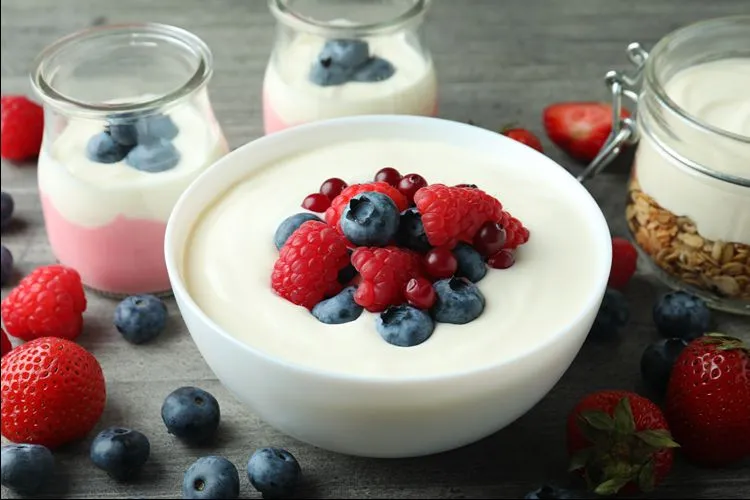
Yogurt and kefir do not contain Akkermansia muciniphila — they are made with Lactobacillus and sometimes Bifidobacterium strains. However, fermented dairy consumption is consistently associated with healthier gut microbiome composition including higher Akkermansia levels, likely through indirect mechanisms.
The proposed mechanisms include: beneficial bacteria in yogurt and kefir producing SCFAs that support the gut environment; fermented dairy improving overall microbiome diversity which supports Akkermansia as a keystone species; and lactic acid bacteria modulating immune responses that affect Akkermansia colonisation. Full-fat yogurt and traditional kefir (not kefir-style drinks with limited bacterial diversity) provide the most benefit.
7. Walnuts
Walnuts are unusual among nuts in containing significant quantities of ellagitannins — the same class of polyphenols found in pomegranate. A 2018 randomised controlled study found that walnut consumption significantly increased Akkermansia muciniphila abundance compared to a nut-free control diet. Walnuts also contain alpha-linolenic acid (an omega-3 fatty acid) and prebiotic fibre, both of which independently support gut health.
A daily portion of 30–40g (a small handful) of walnuts provides meaningful polyphenol and prebiotic fibre intake. Walnuts are widely available in Irish supermarkets year-round and are the most Akkermansia-relevant nut based on current evidence.
8. Prebiotic-Rich Vegetables
Prebiotic fibres — inulin, FOS and resistant starch — do not directly increase Akkermansia in the same way polyphenols do, but they support it by stimulating mucin production (providing more of its food source) and by creating a fermentation environment that favours it. The most prebiotic-rich vegetables available in Ireland include garlic, onion, leek, asparagus, and Jerusalem artichoke. Oats provide beta-glucan and some FOS. Cooked-and-cooled potatoes are a good resistant starch source.
Food vs Concentrate vs Supplement — Where Each Option Sits
One question worth addressing directly: at what point does a "food" become a "supplement"? Pomegranate peel powder, freeze-dried berry powder and cranberry extract all exist in a grey zone between the two. Understanding where each option sits helps you make informed choices about your approach.
| Option | Category | What it delivers | Best for |
|---|---|---|---|
| Fresh/frozen pomegranate seeds, blueberries, cherries | Whole food | Polyphenols + fibre + micronutrients | Daily diet foundation; broadest health benefit |
| 100% pomegranate juice, unsweetened cranberry juice | Whole food | Concentrated polyphenols, no fibre | Year-round convenience; good polyphenol dose |
| Pomegranate peel powder, freeze-dried berry powder | Food concentrate | Very high polyphenol density per gram; easy to dose consistently | Potency without fresh fruit dependency; fits easily into existing meals |
| Cranberry extract, EGCG capsule, berberine | Supplement | Standardised active compound; precise dosing | Consistent therapeutic dose; useful when diet alone is insufficient |
| Pasteurised Akkermansia supplement | Supplement | Amuc_1100 protein delivered directly — cannot be replicated by diet | Low Akkermansia levels; metabolic concerns; gut barrier repair |
The food concentrate options — peel powder, freeze-dried powders — are the practical middle ground. They deliver more active compounds per gram than whole fruit, fit into existing meals without much adjustment, have no additives, and are available year-round at reasonable cost. They are not doing something fundamentally different to eating the whole food — they are just doing more of it, more reliably.
The Evidence-Based Daily Routine
Combining several of these foods daily — rather than relying on any single one — is likely more effective than large amounts of a single food. A practical daily combination for Irish readers that covers polyphenols, prebiotic fibres and fermented foods might include:
- Breakfast — porridge oats soaked overnight in milk (acts as an acid buffer for any yogurt added on top); frozen wild blueberries or blackcurrants stirred in; ½ tsp pomegranate peel powder and ½ tsp freeze-dried cranberry powder on top; homemade Greek yogurt added last; cup of sencha or matcha green tea alongside
- Mid-morning — small glass of 100% pomegranate juice (100–150ml); handful of walnuts
- Lunch — raw onion or garlic in salad or dressing; kefir or full-fat yogurt as a side
- Afternoon — two squares of 70%+ dark chocolate; green tea
- Evening — leek, asparagus or Jerusalem artichoke with dinner for prebiotic fibre; fresh cherries in season as dessert
If you're eating live-culture yogurt for its probiotic benefit, the order and timing of your meal matters. Eating oats and milk first raises the stomach pH from its fasting-state acidity (around pH 1.5–2) before the yogurt arrives. More bacteria survive the acid transit and reach the colon where they can actually act. Adding yogurt on top of an already-buffered meal — rather than eating it alone on an empty stomach — significantly improves delivery. The powders (pomegranate peel, cranberry) are polyphenols rather than live bacteria, so timing is less critical for them — but eating them with food still improves overall absorption.
Blackcurrants and blackberries are in season in Ireland in July–August; gooseberries in June–July; cooking apples from August. All are high in polyphenols relevant to Akkermansia. Growing a blackcurrant bush — hardy, productive and suited to Irish conditions — provides a reliable annual polyphenol source at minimal cost.
Frequently Asked Questions
Pomegranate has the strongest published evidence, attributed to its ellagitannin polyphenols (punicalagins) and their colonic metabolites (urolithins). Among pomegranate forms, peel powder contains the highest ellagitannin concentration — significantly more per gram than seeds or juice. Cranberry is a strong second through a different polyphenol pathway (A-type proanthocyanidins). For practical daily use, pomegranate peel powder plus freeze-dried cranberry powder added to an oat bowl or yogurt, combined with green tea, covers the highest-evidence combination with minimal preparation.
It sits between the two. Pomegranate peel powder is a whole food concentrate — dried and ground fruit peel with nothing added or extracted — making it technically a food rather than a supplement. But the way it's used (measured doses, daily routine, bought from supplement retailers) is functionally closer to supplementation than eating. Think of it as a highly concentrated version of eating pomegranate rather than a pharmacological intervention. The ellagitannin concentration in peel is 3–5 times higher than in the seeds — so ½ tsp of peel powder delivers more active compound than eating a whole pomegranate's worth of seeds.
No — yogurt and kefir are made with Lactobacillus and Bifidobacterium strains, not Akkermansia. Akkermansia is not found in any food. However, consuming fermented dairy is consistently associated with healthier gut microbiome composition including higher Akkermansia levels, probably through indirect mechanisms including SCFA production and improved overall microbiome diversity.
Yes — walnuts contain ellagitannins (the same polyphenol class as pomegranate) and have specific RCT evidence for increasing Akkermansia muciniphila. A 2018 controlled dietary study found that walnut consumption significantly increased Akkermansia compared to a nut-free diet. A daily portion of 30–40g provides meaningful benefit.
Yes — green tea catechins, particularly EGCG, have multiple studies supporting their positive effect on Akkermansia abundance. Two to three cups of freshly brewed green tea daily is a practical dose. Matcha contains higher catechin concentrations. Bottled green tea products typically contain negligible EGCG and should not be relied upon for this purpose.
Read Next
Sources & References
Henning SM, et al. (2019). Pomegranate ellagitannins stimulate the growth of Akkermansia muciniphila in vivo. Anaerobe. View on PubMed ↗
Dao MC, et al. (2016). Akkermansia muciniphila and improved metabolic health during a dietary intervention in obesity. Gut. View on PubMed ↗
Déprez S, et al. (2016). Cranberry (poly)phenols microbiota interactions and potential benefits on gut health. Nutrition Reviews. View on PubMed ↗
Barroso E, et al. (2021). Green tea and gut microbiota: current evidence and future perspectives. International Journal of Food Science and Nutrition. View on PubMed ↗
Carughi A, et al. (2016). Walnut consumption and gut microbiota: implications for human health. Nutrients. View on PubMed ↗