What Is Akkermansia Muciniphila? A Complete Guide
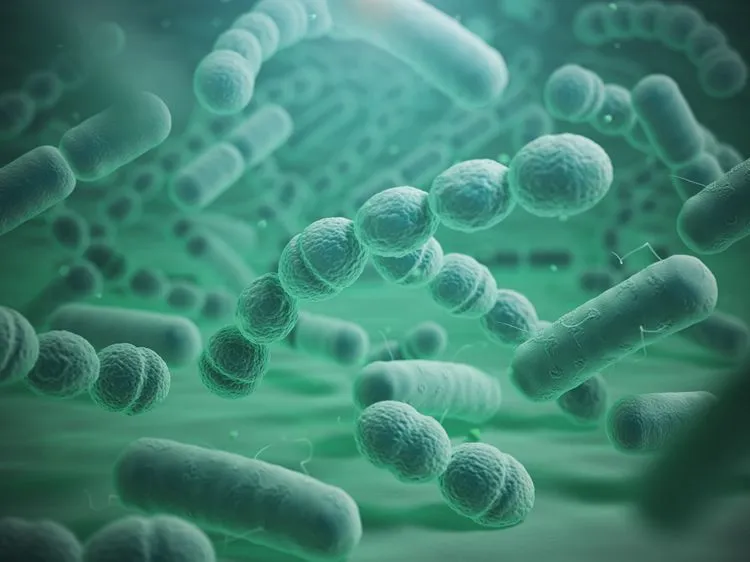
There are roughly 38 trillion bacteria living in your gut right now. Most of them are poorly understood. But one species — Akkermansia muciniphila — has emerged from two decades of intensive research as one of the most important microorganisms in the human body. Scientists have linked it to gut barrier function, metabolic health, immune regulation, weight management, and even whether cancer immunotherapy drugs work. This is what you need to know.
- Akkermansia muciniphila is a gut bacterium that lives in your intestinal mucus layer
- It was first identified in 2004 and is now one of the most studied bacteria in microbiome science
- Low levels are associated with obesity, metabolic disease, leaky gut, and poor immune function
- It can be supported through diet (pomegranate, cranberry, green tea) and supplements
- It received EU Novel Food approval in pasteurised form in 2021
The Discovery of Akkermansia Muciniphila
Akkermansia muciniphila was first isolated and characterised in 2004 by Muriel Derrien and colleagues at Wageningen University in the Netherlands. The name tells you a great deal about it: Akkermansia honours Dutch microbiologist Antoon Akkermans, while muciniphila means "mucin-loving" in Latin — a direct reference to the bacterium's unusual diet.
At the time of its discovery, the human gut microbiome was poorly mapped. DNA sequencing technology was only beginning to reveal the full complexity of the bacterial ecosystem in the intestine. Akkermansia muciniphila was assigned to the phylum Verrucomicrobia — a relatively rare bacterial group distinct from the Firmicutes and Bacteroidetes that dominate most microbiome discussions. This taxonomic rarity partly explains why it took decades after its discovery for its health significance to become clear.
Today, with over 500 peer-reviewed PubMed publications dedicated to it, Akkermansia muciniphila is one of the most intensively studied bacteria in all of microbiome science. What researchers have found in those studies is consistently remarkable.

Where Akkermansia Lives and What It Does
Most gut bacteria live in the intestinal lumen — the open space inside the intestine where food travels. Akkermansia muciniphila is different. It lives specifically in the mucus layer — the thick, gel-like coating that lines the inner surface of the intestine and acts as the first line of defence between the gut's contents and the bloodstream.
This mucus layer is composed primarily of mucin glycoproteins, secreted continuously by goblet cells in the intestinal lining. Akkermansia feeds on these mucins as its primary carbon and nitrogen source. Crucially, this feeding process is not destructive. When Akkermansia consumes older mucin, the body interprets this as a signal to produce more — stimulating goblet cells to secrete fresh mucus and maintain the thickness and integrity of the protective layer.
The gut mucus layer is the physical barrier between trillions of bacteria and your bloodstream. When it degrades — as it does in low-Akkermansia states — bacterial products including lipopolysaccharide (LPS) can cross into circulation, triggering systemic inflammation. This low-grade inflammatory state underlies a surprisingly wide range of chronic conditions, from insulin resistance to autoimmune disease.
Akkermansia at a Glance — Key Facts
| Characteristic | Detail |
|---|---|
| Full name | Akkermansia muciniphila |
| First isolated | 2004, Wageningen University, Netherlands |
| Phylum | Verrucomicrobia (distinct from Firmicutes/Bacteroidetes) |
| Type | Gram-negative, anaerobic (cannot survive in oxygen) |
| Habitat | Intestinal mucus layer |
| Diet | Mucin glycoproteins |
| Abundance in healthy adults | 1–4% of total gut microbiome |
| Key protein | Amuc_1100 (outer membrane protein with immune-regulatory function) |
| Reference strain | ATCC BAA-835 |
| EU regulatory status | Novel Food approved (pasteurised form, 2021) |
| PubMed publications | 500+ (as of 2025) |
Why Akkermansia Is Called a Keystone Species
In ecology, a keystone species is one whose impact on its ecosystem is disproportionately large relative to its abundance. The classic example is the sea otter, which maintains kelp forest ecosystems by controlling sea urchin populations. Remove the otter and the whole ecosystem collapses — even though otters represent a tiny fraction of the biomass in the system.
Akkermansia muciniphila plays an analogous role in the gut microbiome. At 1–4% of the total microbial population, it is not numerically dominant — yet its influence extends far beyond what its relative abundance would suggest. Research indicates that Akkermansia's presence supports the growth and stability of other beneficial bacterial species, regulates immune signalling, and maintains the physical architecture of the gut environment that other bacteria depend on.
When Akkermansia levels fall significantly — as they do in response to poor diet, antibiotic use, obesity, and ageing — the downstream effects cascade through multiple body systems simultaneously. This is what distinguishes it from most gut bacteria, where depletion of a single species has relatively limited effects on overall gut health.
The Amuc_1100 Protein — Akkermansia's Key Mechanism
Much of Akkermansia's health benefit is attributed to a specific outer membrane protein called Amuc_1100. This protein interacts with Toll-Like Receptor 2 (TLR2) in the gut lining — a receptor that plays a central role in innate immune regulation.
When Amuc_1100 activates TLR2, it triggers a cascade of effects:
- Tight junction reinforcement — the protein junctions that seal the gaps between intestinal epithelial cells become stronger, reducing intestinal permeability
- Anti-inflammatory signalling — TLR2 activation via Amuc_1100 promotes regulatory immune responses rather than inflammatory ones
- GLP-1 stimulation — intestinal L-cells are prompted to produce glucagon-like peptide 1, which regulates appetite, blood sugar and insulin secretion
- Metabolic improvements — in animal and human studies, Amuc_1100 alone reproduces a significant proportion of the metabolic benefits of whole Akkermansia supplementation
Critically, Amuc_1100 survives heat treatment. This is why pasteurised (heat-killed) Akkermansia supplements have been shown to be as effective as — and in some measures superior to — live Akkermansia formulations. The protein remains functionally intact after pasteurisation, which is why the EU approved pasteurised Akkermansia as a novel food ingredient in 2021.
The stability of Amuc_1100 after heat treatment explains why pasteurised Akkermansia supplements are generally considered the better choice — they're easier to store, don't require refrigeration, and the clinical trial evidence is stronger for the pasteurised form. Look for products that specify pasteurised Akkermansia muciniphila and reference the ATCC BAA-835 strain.
What Conditions Are Associated With Low Akkermansia?
The breadth of conditions linked to low Akkermansia levels is one of the most striking aspects of the research. These associations are not speculative — they are drawn from dozens of controlled human studies and replicated across multiple research groups worldwide.
| Condition | Akkermansia Finding | Evidence Level |
|---|---|---|
| Obesity | Significantly lower abundance in obese vs lean adults; levels inversely correlated with BMI | Strong — multiple human cohort studies |
| Type 2 diabetes | Lower levels correlate with insulin resistance and impaired fasting glucose | Strong — human and animal studies |
| Metabolic syndrome | Reduced Akkermansia consistently found alongside elevated triglycerides and waist circumference | Strong — human cohort data |
| Leaky gut / intestinal permeability | Direct mechanistic link — low Akkermansia → thin mucus → compromised tight junctions | Strong — mechanistic and human studies |
| IBS (especially IBS-D) | Consistently lower levels in IBS patients vs healthy controls | Moderate — multiple observational studies |
| Inflammatory bowel disease | Reduced in active Crohn's and ulcerative colitis | Moderate — observational studies |
| Non-alcoholic fatty liver disease | Lower abundance correlates with disease severity | Moderate — human and animal studies |
| Cancer immunotherapy non-response | Landmark finding — low Akkermansia predicts failure to respond to PD-1 blockade | Strong — two major published studies |
How Akkermansia Levels Change Over a Lifetime
Akkermansia is not present at birth — the sterile neonatal gut is colonised by bacteria in the first weeks of life, with Akkermansia typically appearing within the first few months and increasing through early childhood. It reaches peak abundance in healthy adults aged roughly 20–50, then tends to decline with age.
This age-related decline is one reason why metabolic disorders become more common in middle age and older adults — and it is one reason why Akkermansia supplementation research has focused heavily on overweight and older populations.
Several factors beyond ageing consistently reduce Akkermansia levels:
- Antibiotic use — one of the most significant acute depletors; levels may not recover fully without dietary intervention
- Ultra-processed food consumption — emulsifiers in processed foods (carboxymethylcellulose, polysorbate-80) directly damage the gut mucus layer
- Low dietary fibre — reduces mucin production, depleting Akkermansia's food source
- Obesity itself — creates a cycle where low Akkermansia worsens metabolic health, which further reduces Akkermansia
- Chronic stress and poor sleep — both independently alter microbiome composition through gut-brain axis signalling
- Excessive alcohol — directly disrupts gut barrier function and microbiome diversity

The Cancer Immunotherapy Connection
No single finding has done more to establish Akkermansia muciniphila's importance in mainstream medicine than its connection to cancer immunotherapy. In 2018, a landmark study published in Science by Routy and colleagues examined patients with lung, kidney and bladder cancers receiving PD-1 blockade immunotherapy — the class of drugs that has produced some of the most dramatic cancer remissions in medical history.
The study found that patients with low Akkermansia in their gut microbiome were significantly less likely to respond to immunotherapy. When germ-free mice were given gut bacteria from non-responding patients, they also failed to respond — but when Akkermansia was then administered orally, their response to immunotherapy was restored. The implication was stark: a gut bacterium was determining whether a cancer treatment worked.
A 2022 follow-up study in Nature Medicine by Derosa and colleagues, focusing specifically on non-small cell lung cancer patients, confirmed the finding and went further — Akkermansia levels at baseline were a better predictor of immunotherapy response than PD-L1 expression, the standard clinical biomarker currently used in oncology to determine treatment eligibility.
The immunotherapy research is compelling but still developing — it has not yet been incorporated into standard clinical protocols. If you or a family member is receiving or considering immunotherapy, discuss gut microbiome health with your oncologist. Do not make treatment decisions based on supplement use alone. This research describes a correlation and a proposed mechanism — it does not yet constitute clinical guidance.
Akkermansia and GLP-1 — The Ozempic Connection
One of the most discussed aspects of Akkermansia research in recent years is its relationship with GLP-1 — glucagon-like peptide 1. GLP-1 is an intestinal hormone that regulates appetite, slows gastric emptying, stimulates insulin release, and promotes a feeling of fullness. It is the same hormone pathway targeted by semaglutide — marketed as Ozempic for type 2 diabetes and Wegovy for weight management.
Akkermansia muciniphila stimulates intestinal L-cells to produce and release GLP-1 naturally. This mechanism is distinct from pharmaceutical GLP-1 agonists, which mimic the hormone externally. Akkermansia promotes the body's own GLP-1 production through its interaction with the gut lining and its metabolic by-products.
This does not mean Akkermansia is a natural substitute for Ozempic — the magnitude of GLP-1 stimulation from Akkermansia is considerably smaller than that achieved by pharmaceutical agonists. But for people focused on metabolic health through natural means, Akkermansia's GLP-1 stimulating effect is a genuine and evidence-based mechanism, not marketing language.
Is Akkermansia a Probiotic?
Technically, no — at least not in the traditional regulatory sense. Traditional probiotics are defined as live microorganisms that, when administered in adequate amounts, confer a health benefit on the host. The best-known probiotic bacteria — Lactobacillus and Bifidobacterium strains — are found in fermented foods and commercially produced supplements that have a long history of safe use.
Akkermansia supplements are typically pasteurised. Heat-killed bacteria that retain their beneficial activity through structural proteins are classified as postbiotics rather than probiotics. This is the form used in the most rigorous human clinical trials and the form that received EU Novel Food approval in 2021.
Live Akkermansia supplements do exist — Pendulum, the largest commercial Akkermansia brand, produces a live formulation. However, Akkermansia muciniphila is a strict anaerobe — it cannot survive in oxygen — which makes live formulation technically demanding and raises shelf-stability questions. Whether live or pasteurised formulations produce superior outcomes in humans is not yet definitively established by the published evidence.
| Pasteurised Akkermansia | Live Akkermansia | |
|---|---|---|
| Clinical evidence | Strongest — used in Depommier 2019 RCT | Limited human RCT data |
| EU Novel Food status | Approved (2021) | Not specifically approved |
| Shelf stability | High — no refrigeration required | Lower — requires strict cold chain |
| Manufacturing complexity | Lower | High — strict anaerobic conditions required |
| Active component | Amuc_1100 protein | Whole bacterium |
| Available in Ireland | Yes — Amazon.ie, Metagenics | Yes — Pendulum (ships to Ireland) |
How to Support Akkermansia — A Practical Summary
Akkermansia cannot be obtained directly from food. No fermented food, yogurt, kefir, or kombucha contains meaningful amounts of it. However, the gut environment can be shaped to support Akkermansia growth through diet and lifestyle.
The foods with the strongest published evidence for increasing Akkermansia levels are:
- Pomegranate and pomegranate juice — ellagitannins are among the most potent natural Akkermansia boosters identified in research
- Cranberry — particularly dried cranberries or unsweetened cranberry juice; A-type proanthocyanidins support Akkermansia growth
- Blueberries, blackberries and dark grapes — anthocyanins and polyphenols with documented Akkermansia-boosting effects
- Green tea — EGCG catechins shown in multiple studies to increase Akkermansia abundance
- Dark chocolate (70%+) — cocoa polyphenols support gut microbiome diversity including Akkermansia
- Prebiotic fibres — inulin, FOS and resistant starch (found in chicory, garlic, onions, oats, cooked and cooled potatoes) provide substrate for mucin production
- Berberine — a plant-derived alkaloid with clinical evidence for significantly increasing Akkermansia levels
Lifestyle factors with evidence for supporting Akkermansia include intermittent fasting (during fasting periods, Akkermansia feeds on mucin and increases in relative abundance), regular aerobic exercise, and adequate sleep. Reducing ultra-processed food consumption removes emulsifiers that directly damage the mucus layer.
For detailed guidance on each of these strategies, see our dedicated guides: Foods That Feed Akkermansia and How to Increase Akkermansia.
Frequently Asked Questions
Akkermansia muciniphila is a gram-negative anaerobic bacterium that lives in the mucus layer lining the human intestine. First isolated in 2004 by Dutch microbiologist Muriel Derrien, it belongs to the phylum Verrucomicrobia and constitutes 1–4% of the gut microbiome in healthy adults. It feeds on mucin — the protein that forms the gut's protective mucus layer — and in doing so stimulates the body to produce more, reinforcing rather than depleting the gut barrier. It is considered a keystone species with a disproportionately large positive effect on gut health.
Not technically. Supplements typically use pasteurised (heat-killed) Akkermansia, which is classified as a postbiotic rather than a probiotic. The EU approved pasteurised Akkermansia muciniphila as a novel food ingredient in 2021. Live Akkermansia supplements also exist but require strict anaerobic manufacturing conditions and have less clinical evidence than the pasteurised form.
Akkermansia muciniphila maintains the gut mucus layer by feeding on mucin and stimulating fresh mucin production. Through its outer membrane protein Amuc_1100, it activates immune receptors that strengthen tight junctions (reducing leaky gut), promote anti-inflammatory immune responses, and stimulate GLP-1 production for metabolic regulation. As a keystone species, it also supports the broader microbiome ecosystem.
Low Akkermansia is consistently associated with obesity, type 2 diabetes, metabolic syndrome, leaky gut, IBS, inflammatory bowel conditions and — most strikingly — significantly reduced response to cancer immunotherapy drugs. Low levels are common after antibiotic use, with poor diet, and in obese individuals. A gut microbiome test can measure your Akkermansia levels if you want a baseline reading.
No — Akkermansia is not present in food, including fermented foods like yogurt and kefir. However, certain foods stimulate Akkermansia growth in the gut: pomegranate, cranberry, blueberry, green tea, dark chocolate and prebiotic-rich vegetables are the most evidence-backed options. Berberine supplements have also been shown in clinical studies to significantly increase Akkermansia levels.
Pasteurised Akkermansia muciniphila has been assessed as safe in human clinical trials including a three-month RCT in insulin-resistant adults. No significant adverse effects were reported. It received EU Novel Food approval in 2021, which requires a safety assessment. People who are immunocompromised, pregnant, or on medication should consult their GP before taking any probiotic or postbiotic supplement.
Read Next

Sources & References
Derrien M, et al. (2004). Akkermansia muciniphila gen. nov., sp. nov., a human intestinal mucin-degrading bacterium. International Journal of Systematic and Evolutionary Microbiology. View on PubMed ↗
Plovier H, et al. (2017). A purified membrane protein from Akkermansia muciniphila or the pasteurized bacterium improves metabolism in obese and diabetic mice. Nature Medicine. View on PubMed ↗
Depommier C, et al. (2019). Supplementation with Akkermansia muciniphila in overweight and obese human volunteers: a proof-of-concept exploratory study. Nature Medicine. View on PubMed ↗
Routy B, et al. (2018). Gut microbiome influences efficacy of PD-1-based immunotherapy against epithelial tumors. Science. View on PubMed ↗
Derosa L, et al. (2022). Intestinal Akkermansia muciniphila predicts clinical response to PD-1 blockade in patients with advanced non-small-cell lung cancer. Nature Medicine. View on PubMed ↗
Cani PD & de Vos WM. (2017). Next-generation beneficial microbes: the case of Akkermansia muciniphila. Frontiers in Microbiology. View on PubMed ↗